Rotten Teeth Can Do More Than Ruin Your Smile — Let’s Reflect on the Real Health Risks
When most people think about tooth decay, they picture a cavity, a chipped tooth, or maybe a little sensitivity to cold drinks. But the truth is far more serious — especially for older adults. Rotten teeth don’t just affect your smile; they can quietly influence your entire body in ways many people never expect.
As we age, our teeth and gums require a little more attention. Medications, dry mouth, reduced saliva flow, and changes in the immune system make oral health more important than ever. But too often, adults ignore the warning signs of decay simply because they don’t “feel” like a dental issue deserves urgent care.
Let’s take a moment to reflect on why untreated tooth decay is more dangerous than it appears — and why prioritizing oral health is a powerful act of self-care.
A Tooth Isn’t Just a Tooth — It’s Connected to Everything
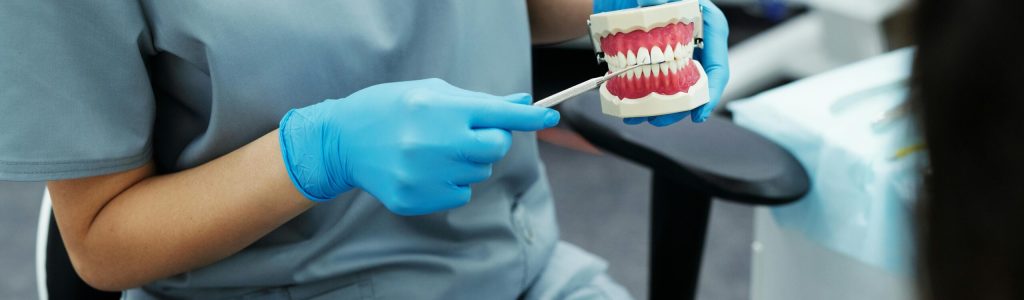
It’s easy to forget that our mouth is the gateway to our entire body. Bacteria from rotten teeth don’t stay put. They travel. They spread. And over time, they can trigger health problems affecting your heart, immune system, energy levels, and even your brain.
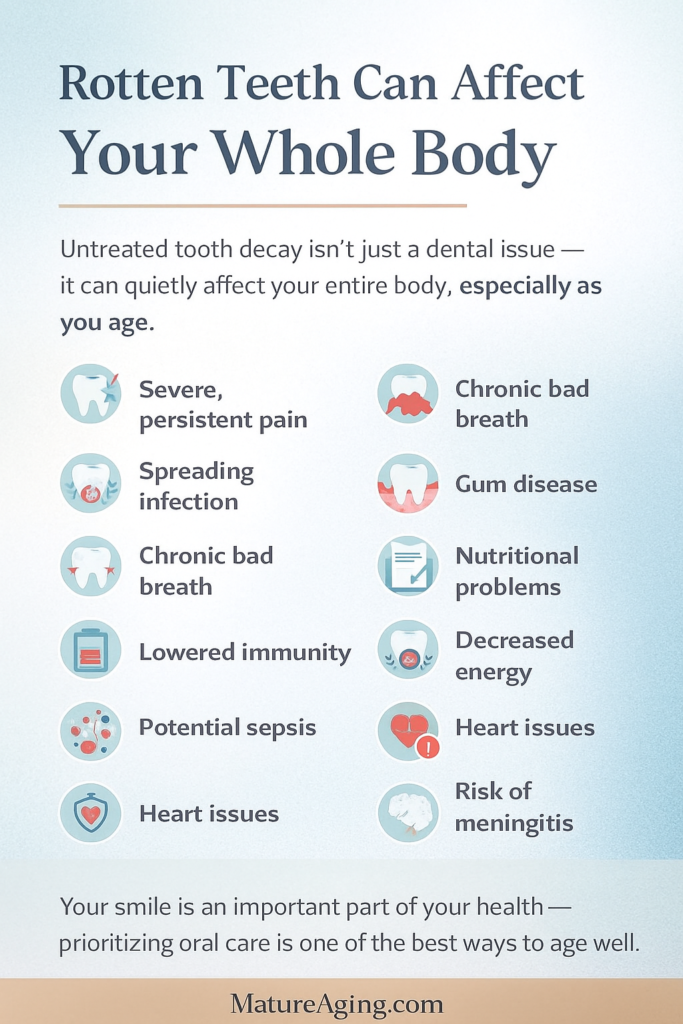
Rotten teeth can lead to:
Severe, persistent pain
Bacterial infections that spread to other teeth
Gum disease that can destroy bone
Chronic inflammation throughout the body
Nutritional problems from avoiding certain foods
Increased risk of heart issues and infections
Potential life-threatening complications like sepsis or meningitis
These aren’t minor concerns — they’re whole-body issues rooted in a decaying tooth that may have started as something small.
Why This Matters More for Seniors
Older adults face unique challenges that make oral health more important than ever:
✔ Medications can dry the mouth, allowing bacteria to thrive
✔ Gums naturally recede with age, exposing sensitive tooth roots
✔ Immune systems weaken over time, making infections more dangerous
✔ Chronic conditions like diabetes affect oral health and healing
✔ Tooth pain often goes unreported because people assume it’s “just aging”
But dental problems are not a normal part of aging — and they should never be ignored.
It’s Not Just About Health — It’s About Confidence and Quality of Life
Rotten teeth don’t only cause physical discomfort. They can affect the way we see ourselves.
People may:
Smile less
Avoid social gatherings
Feel embarrassed about their appearance
Struggle with confidence
Experience anxiety about eating in public
Your smile is a part of your identity. It deserves care, respect, and attention — at every age.
The Good News: Prevention Is Powerful
The encouraging part? Many serious consequences of rotten teeth are preventable with simple, consistent habits:
Brush twice a day with fluoride toothpaste
Clean between your teeth daily
Stay hydrated to support saliva production
Limit sugary and acidic foods
Keep up with dental visits (every 6 months is ideal)
Address tooth pain or changes immediately
Oral care is one of the easiest and most effective ways to support whole-body health.
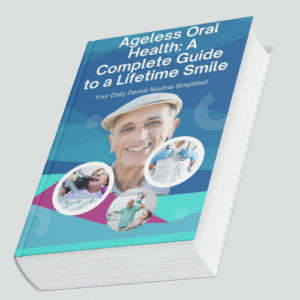
Your smile tells your story. It’s how you greet the world, express joy, and connect with others. But as we age, our oral health changes. Gums may recede, teeth become more sensitive, and dryness or wear can appear.
The good news? With a few smart, gentle habits, you can protect your teeth and keep your smile strong and beautiful for life. This guide will help you understand how aging affects your mouth—and what you can do about it, starting today.
15% off with coupon code OH15
Final Reflection
Your teeth tell a story about your health — and they deserve to be heard.
Rotten teeth can do far more than ruin your smile. They can quietly impact your immunity, energy levels, digestion, confidence, and overall well-being. Understanding these hidden dangers isn’t meant to create fear — it’s meant to empower you to protect your health from the inside out.