
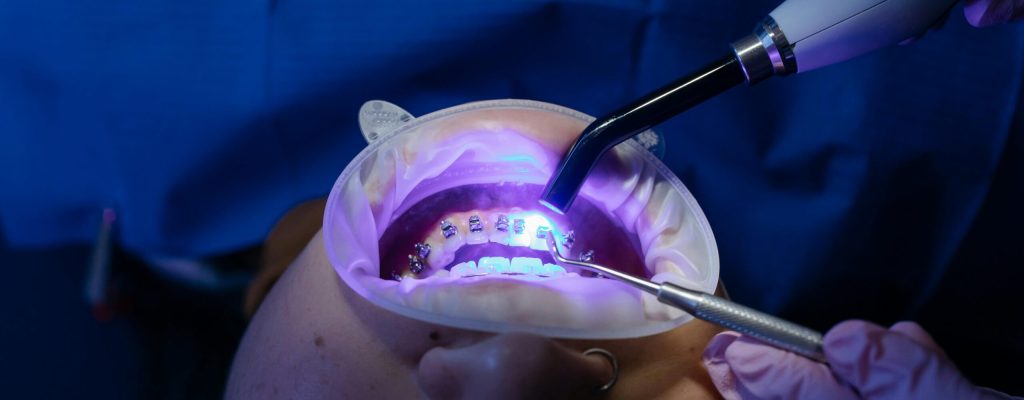
UV light curing dental procedure for teeth whitening and health care.

Can Mouth Bacteria Affect Your Brain? What Seniors Should Know About Oral Health and Aging

As we age, taking care of our teeth and gums isn’t just about a bright smile — it may influence brain health and cognitive function too.

 Research suggests that some bacteria in the mouth can travel into the bloodstream and potentially reach the brain, especially when oral health is poor.

Oral bacteria are increasingly recognized as a key factor in long-term brain health, with new research showing links between gum disease, the oral microbiome, and cognitive decline in older adults. Maintaining oral health may help protect memory and reduce risks of dementia.

How Oral Bacteria Enter the Body

Your mouth is home to hundreds of bacterial species — some helpful, some harmful. Under healthy conditions, your immune system and oral tissues keep these microbes in check. However, when gum disease or inflammation develops, bacterial communities can change, and the protective barrier in your gums can weaken.

Why Oral Health Matters Beyond the Mouth
For decades, oral care was seen as separate from brain health. But scientists now believe the bacteria living in our mouths can influence memory, attention, and even the risk of Alzheimer’s disease. This connection is especially important for older adults, who are more vulnerable to both gum disease and cognitive decline.

At that point:

  • Bacteria can enter the bloodstream through tiny breaks in gum tissue.

  • Once in the blood, microbes and bacterial toxins may circulate to other organs. 

In people with chronic gum disease or poor oral hygiene, this creates a pathway for mouth bacteria to travel beyond the mouth, potentially influencing brain health over time

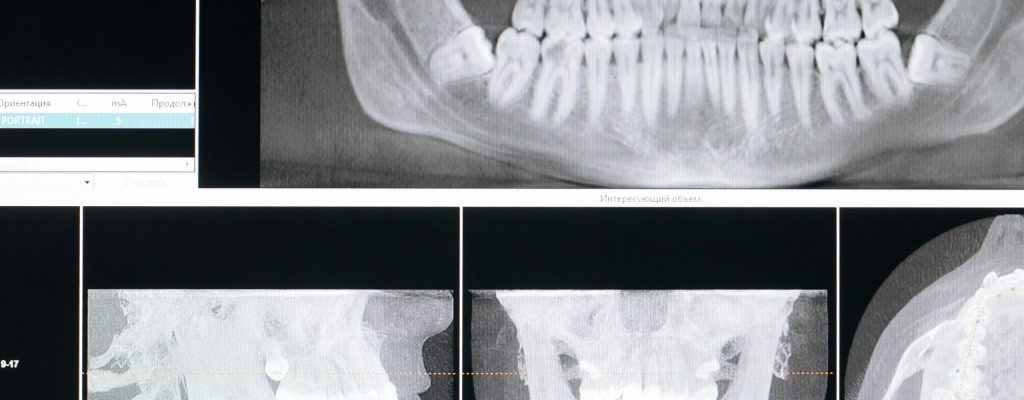
Detail image of a panoramic dental X-ray, showing teeth and jaw structure.

The Science Behind the Link
Researchers have identified two main pathways through which oral bacteria may affect the brain:


• Bloodstream Pathway: Harmful bacteria from gum disease can enter the bloodstream, travel to the brain, and trigger inflammation. Chronic inflammation is a known contributor to neurodegenerative diseases.


• Nitric Oxide Pathway: Beneficial oral bacteria help produce nitric oxide, a molecule essential for memory and learning. When harmful bacteria displace these “good” microbes, the brain may lose this protective support.

What Happens When Mouth Germs “Go Rogue”

Porphyromonas gingivalis — a bacterium linked to periodontal disease — is one example of a microbe that researchers have found in the brains of people with Alzheimer’s disease. In some studies, bacterial enzymes and DNA were detected in brain tissues, suggesting that oral pathogens might cross the blood-brain barrier and contribute to harmful processes in the brain.

Importantly:

  • The brain is normally protected by the blood-brain barrier, a tightly regulated system that keeps harmful substances out. But inflammation and aging can make this barrier more vulnerable.

  • Harmful bacteria and their byproducts may trigger chronic inflammation in the brain — a factor linked to memory loss and neurodegenerative diseases.

Oral Health & Cognitive Decline: The Big Picture

While more research is needed, growing evidence suggests that oral bacteria may influence long-term brain health, especially in older adults:

  • Bacterial movement into the bloodstream may contribute to systemic inflammation and stress on the nervous system.

  • Inflammation from gum disease has been linked with poorer cognitive performance and an increased risk of dementia or Alzheimer’s disease.

This doesn’t mean bacteria alone cause Alzheimer’s — but oral health is emerging as a modifiable factor that could support better cognitive aging

Practical Steps for Older Adults

• Prioritize oral hygiene: Regular brushing, flossing, and dental checkups reduce harmful bacteria.


• Eat for your microbiome: Include nitrate-rich vegetables and limit sugary foods that feed harmful bacteria.


• Consider probiotics: Emerging research suggests oral probiotics may help restore balance in the mouth.


• Watch for gum disease: Early treatment of bleeding gums or loose teeth may protect both oral and brain health.

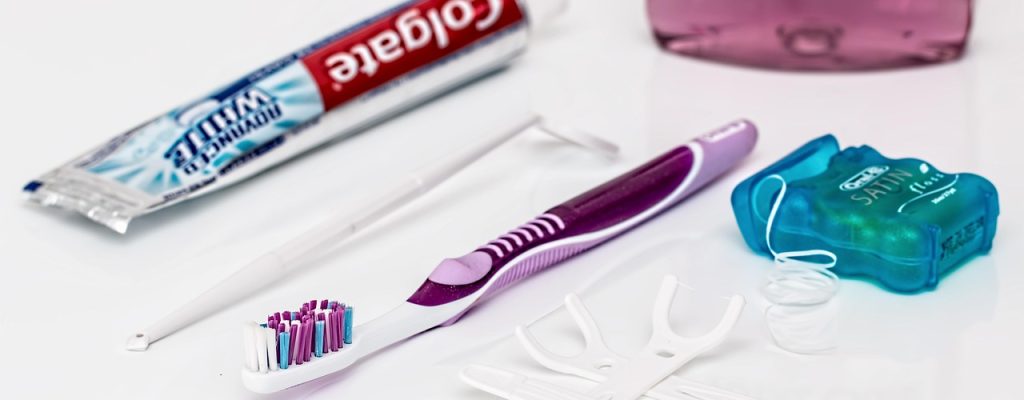
dental, toothpaste, toothbrush, dental floss, mouthwash, clean, teeth, dentistry, healthcare, brushing, bathroom, whitening, hygiene, oral hygiene, dentist, health, mouth, dental, toothpaste, toothpaste, toothpaste, toothpaste, toothpaste, toothbrush, dental floss, dental floss, mouthwash

Easy Oral Care Tips to Protect Your Brain (and Smile!)

Good news: you can take simple steps every day to support both oral and overall health:

🪥 Brush and Floss Daily

Routine oral hygiene helps keep harmful bacterial levels low and prevents gum inflammation.

🦷 Visit Your Dentist Regularly

Regular checkups catch gum disease early before bacteria have an opportunity to spread.

🍎 Eat a Mouth-Healthy Diet

A balanced diet rich in fiber and low in added sugars helps fuel beneficial bacteria.

💧 Stay Hydrated

Saliva protects your mouth from bacterial overgrowth — drinking water keeps it flowing.
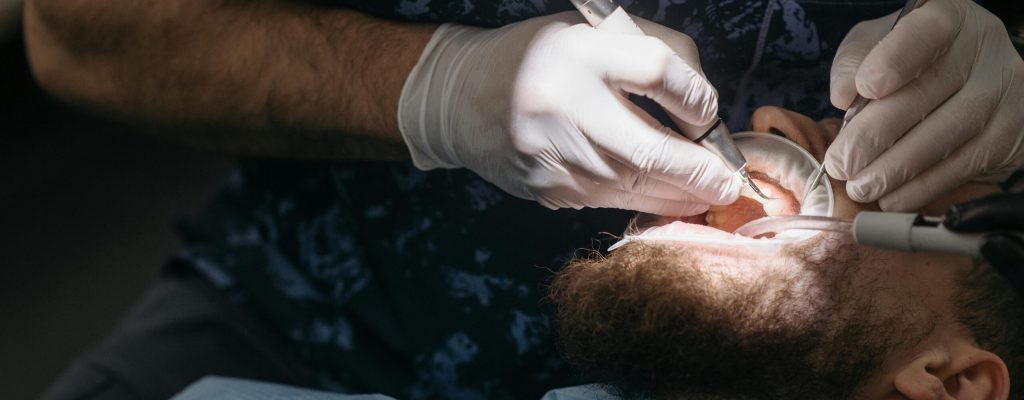
Dentist using tools for dental examination on a bearded male patient.

Risks and Considerations

While the evidence is compelling, scientists caution that oral bacteria are only one piece of the puzzle.

 Genetics, lifestyle, and other health conditions also play major roles in dementia risk. Still, oral health is a modifiable factor—something seniors can actively improve.

Oral health is brain health. 

By nurturing beneficial bacteria in the mouth and preventing gum disease, older adults may not only protect their smiles but also safeguard their memory and cognitive function for years to come.

Final Thoughts for Seniors

As we age, maintaining oral health becomes even more important — not just for your teeth and gums, but potentially for cognitive well-being too. Regular dental care and daily hygiene aren’t just habits for a healthier smile — they’re part of supporting holistic health as we grow older.

Scroll to Top