Do you ever wonder how much time you truly have left after 73? Not in a dark or fearful way, but honestly and realistically.
Each year starts to feel more precious, and the truth is, your body is already giving you answers through small signs that most people never notice until it’s too late. Some individuals at 73 are vibrant, sharp, and full of energy, while others struggle with the aging process.
The difference isn’t luck or genetics; it lies in seven specific signs that scientists say can predict longevity. These signs do not require a doctor’s visit or special equipment; they are indicators your body provides every day.
The Importance of Recognizing Longevity Signs
Before we dive into the signs, it’s essential to understand that these indicators are scientifically proven and can genuinely change how you experience the rest of your life.
By paying attention to these signs, you can take proactive steps to enhance your health and longevity.
Sign Number One: Standing Up from a Chair
One of the first signs to assess is how easily you can stand up from a chair without using your hands.
This movement tests your legs, core, balance, and coordination simultaneously.
If you can stand smoothly without assistance, your internal systems are functioning well.
Conversely, if you struggle, it may indicate that your muscles are aging faster than they should.
Case Study: Barbara's Journey
Barbara, a 72-year-old from Atlanta, experienced a moment of realization when she needed to push herself up from a table at a restaurant.
This prompted her to practice standing up without assistance.
Over time, she improved her ability to stand without help, which significantly boosted her confidence and mobility.
Medical researchers use this “sit-to-stand test” to predict fall risk and overall mobility, emphasizing its importance in assessing health.
Sign Number Two: Walking Speed
Walking speed is another powerful predictor of lifespan.
It reflects your overall health more accurately than cholesterol numbers or blood pressure readings.
A slow walking pace can indicate declining muscle, nerve, and heart function, while a steady pace suggests that your body is functioning well.
Case Study: Helen's Transformation
Helen, a 76-year-old from Portland, noticed she was falling behind her daughter while walking.
Instead of accepting this as a part of aging, she committed to walking every morning.
Within weeks, her pace improved significantly, demonstrating that consistent daily movement can enhance walking speed and overall health.
Sign Number Three: Grip Strength
Grip strength is a simple yet telling indicator of overall health.
It reflects muscle strength throughout your body and can indicate blood circulation and nerve function.
Studies show that seniors with strong grip strength tend to live longer and maintain independence.
Case Study: Robert's Recovery
Robert, a 74-year-old from Seattle, noticed a decline in his grip strength when simple tasks became challenging.
After discussing this with his doctor, he began exercises to improve his grip.
Within six months, he saw a nearly 30% improvement, which also enhanced his overall strength and vitality.
Sign Number Four: Emotional Resilience
Emotional strength is just as crucial as physical health for longevity.
Staying positive, socially connected, and mentally engaged can significantly impact your lifespan.
Loneliness and chronic stress can weaken your immune system and accelerate aging.
Case Study: William’s Renewal
William, a 78-year-old from Denver, experienced a decline in both emotional and physical health after losing his wife. Encouraged by his daughter, he began volunteering, which reignited his sense of purpose and improved his health markers. This illustrates the deep connection between emotional well-being and physical health.
Sign number 5 Cognitive Engagement (Mental Sharpness & Curiosity)
Staying mentally engaged—through reading, learning new skills, puzzles, conversations, or hobbies—helps protect cognitive function and supports long-term brain health. Older adults who remain curious and mentally active tend to experience slower cognitive decline and greater independence.
Case Study: Margaret’s Mindful Momentum
Margaret, an 81-year-old retired teacher, noticed she was becoming forgetful and withdrawn after leaving the classroom.
She began attending a weekly book club and learned how to use a tablet to take online history courses.
Over time, her memory sharpened, her confidence grew, and she felt more connected to the world around her—proving that it’s never too late to keep the mind engaged.
Sign number 6 Social Connection (Meaningful Relationships)
Why it matters: Strong social ties are one of the most powerful predictors of longevity.
Regular interaction with friends, family, neighbors, or community groups reduces loneliness, lowers stress, and supports both emotional and physical health—often as effectively as medical interventions.
Case Study: Frank Finds His Circle
After retiring at 75, Frank, a widower from Ohio, found his days growing quieter and lonelier.
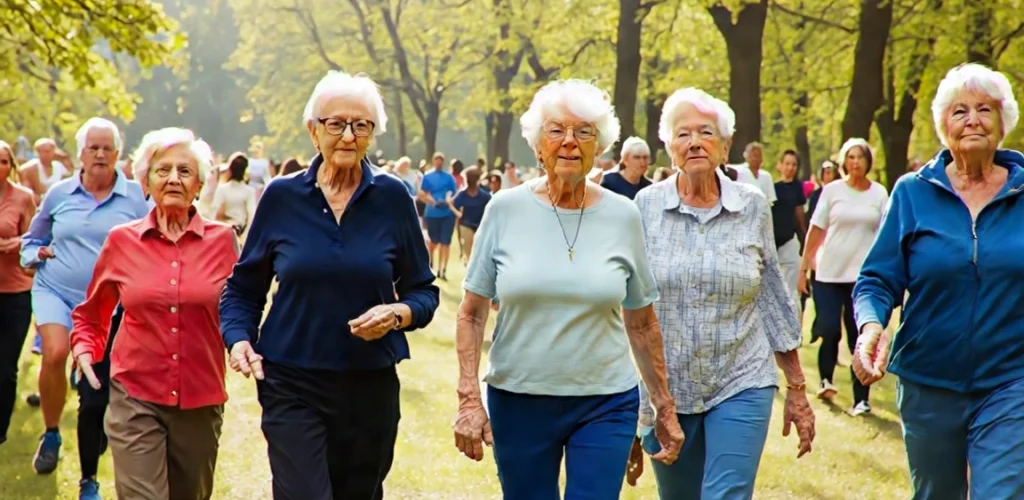
At the encouragement of a neighbor, he joined a local walking group for seniors.
What started as short walks turned into friendships and weekly coffee meetups. His mood lifted, his walking stamina improved, and he reported feeling “needed again.”
Sign Number 7 Daily Purpose & Routine (Reason to Get Up Each Morning)
Why it matters: Having a sense of purpose—whether through caregiving, volunteering, faith, hobbies, or personal goals—has been linked to longer life expectancy and better overall health.
Purpose provides motivation, structure, and emotional resilience during life’s later transitions.
Case Study: Helen’s New Chapter
Helen, 84, struggled after downsizing from her longtime home.
Feeling adrift, she began tending a small community garden and mentoring younger volunteers. Having a routine and a reason to show up each day restored her sense of usefulness and joy.
Her sleep improved, her energy increased, and she described feeling “alive again.”
Conclusion: Taking Action for Longevity
The signs of longevity after 73—standing ability, walking speed, grip strength, and emotional resilience—are critical indicators of your overall health.
By recognizing and improving these signs, you can enhance your quality of life and potentially extend your lifespan.
Reflect on your own abilities: Can you stand from a chair without assistance? How fast do you walk? What is your grip strength like? Are you emotionally engaged with the world around you?
If individuals like Barbara, Helen, Robert, and William can make significant improvements in their health, so can you.
Aging well is not about luck; it is about paying attention to the signals your body sends and taking action while you still can.
Related Posts
Aging and Loneliness: How to Overcome Isolation and Build Meaningful…
Breathe Easy: A Simple Breathing Exercise Guide for a Calmer,…
10 Underrated Daily Healthy Habits of people Who Stay young…